What does a midwife do?
By Isy Williams onA midwife is a healthcare professional who provides evidence-based care to birthing people before, during and after birth. Many also contribute to research, helping to improve care for families now and in the future, such as through the Generation Study.
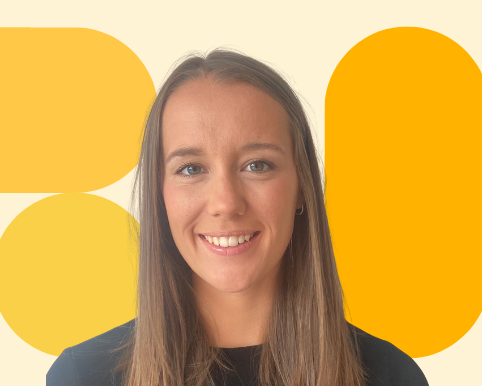
In this blog, Isy Williams, Community midwife on the Generation Study, shares more about her role and why it's so important.
My role as a community midwife
Working as a community midwife in Cornwall, I have experienced a unique and rewarding side of midwifery.
A big part of the role is coordinating each woman’s care pathway, as well as supporting them throughout their entire journey, including antenatal, intrapartum (labour and delivery), and postnatal care.
Because the team works so closely together and we know the women so well, we are able to provide truly holistic, personalised care that is centred around each person’s individual needs. One of the aspects I value most about the role is building these relationships with the women and getting to know them over time, which I always see as a privilege.
Other key parts of the role involve safeguarding both mother and baby, identifying any concerns early, and working collaboratively with the multidisciplinary team, to ensure appropriate care planning and ongoing support.

How did I end up here?
I have always had an interest in caring for people, but it feels like an even greater privilege to care for women during such an important and vulnerable time in their lives.
I grew up in Cornwall and began my midwifery training as soon as I turned 18. At the end of my training, I travelled to Tanzania where I cared for women in a public hospital, who often had had no care prior to delivery.
Once qualified, I started working in the very same hospital that I was born in, and even got to work alongside the midwife who delivered me. During my time in the hospital, I qualified as a Band 6 midwife, which gave me additional responsibilities, and have since had the opportunity to care for women with higher-risk pregnancies.
More recently though I moved into the community setting, which means I provide care to mothers outside of hospitals, such as through home visits or at GP practices. I did this to broaden my experience, particularly in antenatal care, which is the care people receive during their pregnancy.
These 2 environments feel very different from one another. In the hospital environment, you are often meeting women for the first time, and many feel anxious due to unfamiliar surroundings and not knowing the midwives caring for them.
Having worked in both settings, I have developed a deeper understanding of how community and hospital services connect, how women transition between them, and the impact this can have on their overall experience.
The impact of my work on patients and families
The impact of a midwife is both immediate and long-lasting. Supporting women through pregnancy and early parenthood helps build confidence and promotes positive health outcomes.
For families, having a trusted midwife can make a significant difference in how supported and informed they feel. Early guidance and intervention can also improve long-term wellbeing for both mother and baby.
What women often don’t realise though, is how much they impact us.
As midwives, we carry the women we have cared for, for the rest of our career. We often wonder how they are or what happened after we left them. Each person we care for is so special, and we are so grateful for women who trust us to care for them.
What makes me passionate?
Being with all the women I care for makes me feel passionate about my role.
I’m passionate about empowering women to make informed choices about their care and ensuring they feel heard and respected. Being part of such a transformative time in people’s lives is incredibly rewarding. Every family is different, and the opportunity to provide personalised care and make a positive impact motivates me every day.
In addition to this, I am also a big advocate for the Generation Study. This study will sequence the genomes of 100,000 newborn babies and represents an important step forward for us. By allowing us to detect rare conditions earlier and provide personalised healthcare for newborns, we can support families with timely interventions and better outcomes.
As a community midwife, I’m in a unique position to raise awareness, provide information, and help families make informed decisions about participation.
The road ahead
Looking ahead, I’m really excited to continuing to grow within my role as a midwife and gain further experience across all aspects of care.
I am committed to my ongoing professional development by keeping up to date with current evidence and best practice, and by embracing every opportunity to learn. Midwifery is a constantly evolving profession, and I value the importance of developing my knowledge and skills each day to ensure I provide the highest standard of care to the women and families I support.
And finally...
If you want to learn more about the Generation Study, checkout our previous blog: What is the Generation Study?
You can also check out our other blogs and podcasts.